Timeless Florals: A Guide to Vintage Watercolor Flower Illustrations
In the world of digital design, finding assets that truly stand the test of time can be a challenge. Trends come and go, but the allure of classic, hand-painted botanicals remains constant. This is where a curated set of Vintage Watercolor Flower Illustrations becomes an indispensable part of a designer's toolkit. More than just simple graphics, these illustrations are digital artifacts that carry the texture, depth, and emotional resonance of traditional art, offering a bridge between historical charm and contemporary design needs.
The Enduring Appeal of Hand-Painted Botanicals
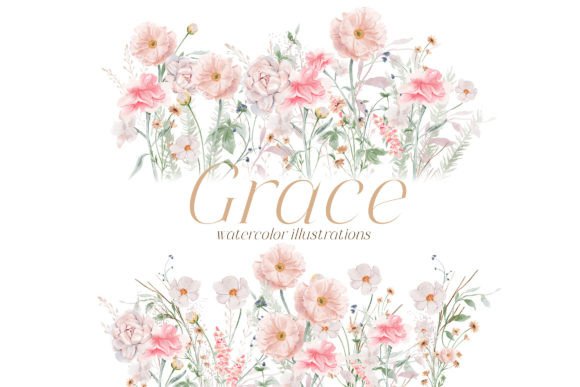
What exactly defines the personality of these vintage-inspired florals? Unlike the flat, vector-based graphics that dominate modern interfaces, watercolor illustrations possess an inherent organic quality. They feature soft, bleeding edges, subtle gradients, and a texture that mimics paper grain and pigment saturation. This style evokes a sense of nostalgia, romance, and artisanal craftsmanship. The visual characteristics are unmistakable: delicate washes of color, intricate petal details that capture light and shadow, and a palette that often leans towards muted, earthy tones or soft, dusty pastels. This isn't just a picture of a flower; it's an impression of one, filtered through the lens of artistic tradition.
The overall appeal lies in their versatility and emotional weight. A single rose or peony rendered in this style can instantly elevate a project from mundane to memorable. It communicates care, attention to detail, and a connection to nature. For brands and creators, this translates to a powerful tool for building a specific brand identity—one that feels authentic, thoughtful, and rich with story. Whether used in a logo design for a boutique florist or as key design assets for a wedding stationery suite, these illustrations set a tone that is both elegant and approachable.
Practical Applications: From Screen to Print
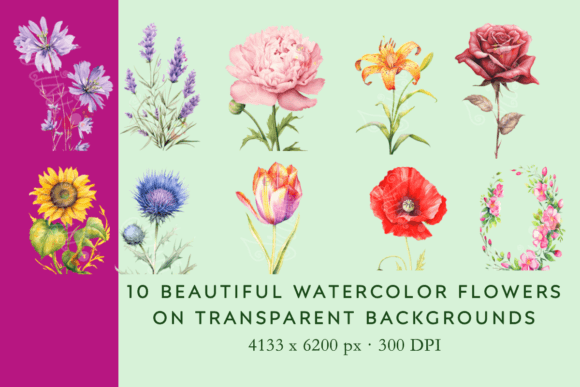
The true value of any premium font or graphic resource is measured by its utility across different media. A high-resolution set of Vintage Watercolor Flower Illustrations excels in this regard. The provided PNG files, with their transparent backgrounds and substantial 4133 x 6200 px dimensions at 300 dpi, are engineered for professional output. This means they are not limited to web use; they are fully prepared for high-quality printing, a critical factor for many commercial projects.
Consider the breadth of possibilities. For digital creators and marketers, these florals are perfect for creating engaging social media graphics, website hero images, and blog post headers that capture attention in a crowded feed. They add a layer of sophistication to email newsletters and digital ads. In the realm of publishing and editorial design, they can serve as beautiful chapter headers, margin decorations, or full-page background elements in magazines and books. The ability to layer them over any color background thanks to the transparent PNG format offers immense creative freedom.
For those in the physical product space, the applications are equally compelling. Crafters and Etsy sellers can use them to design stunning printable scrapbook papers, sublimation products like mugs and phone cases, or unique home decor items such as framed art prints. The packaging design for artisanal goods—think candle labels, soap wrappers, or gourmet food packaging—gains an immediate premium feel with the inclusion of these botanical elements. They are a cornerstone asset for anyone building a brand identity that values aesthetics and quality.
Integrating Florals into Your Design Strategy
Simply having beautiful illustrations is only the first step. Integrating them effectively into a cohesive design is what separates good work from great. When using Vintage Watercolor Flower Illustrations, think about composition and context. These are not neutral backgrounds; they are active elements that command visual interest. Use them to frame key text, create visual anchors, or build a balanced, asymmetrical layout that feels dynamic and organic.
A crucial consideration is pairing. While these illustrations are creative fonts in their own right, they interact with typography. They often pair best with clean, simple typefaces. A modern sans serif font can provide a striking contrast to the ornate, traditional feel of the watercolors, creating a beautiful tension between old and new. Alternatively, a classic serif font can enhance the vintage, editorial feel for a more harmonious, period-inspired look. Avoid overly decorative or script fonts that might compete for attention and reduce readability. The goal is to let the illustration and the text support each other, not fight for dominance.
Before committing to a project, take the time to evaluate the fit. Does the specific flower—be it a rose, peony, or tulip—align with the project's message? A romantic peony suits a wedding invitation, while a bold tulip might be better for a spring sale banner. Test the illustrations at different scales. Do they maintain their detail and impact when used as a small accent versus a large focal point? This practical testing ensures the asset enhances rather than detracts from your final product. Remember to always check the licensing for commercial use, ensuring your creative work is also legally sound. By thoughtfully selecting and applying these vintage watercolor flower illustrations, you add more than just decoration; you add a layer of timeless beauty and narrative depth to everything you create.