Freshen Up Your Projects with Fruit Doodles and Food Illustrations
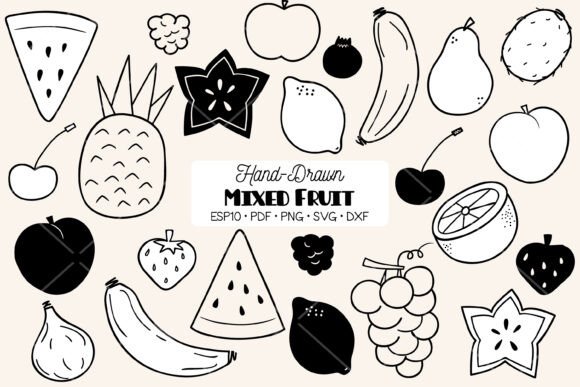
In the world of design, we often get bogged down by complex typography and rigid grid systems. Sometimes, the best way to connect with an audience is through something universally loved and instantly recognizable: food. Specifically, the playful and vibrant energy of fruit. That's where a high-quality set of Fruit Doodles | Food Illustrations becomes an indispensable asset. This isn't just a collection of random shapes; it's a curated bundle of hand-drawn graphics—think juicy pineapples, classic apples, and zesty lemons—designed to bring a burst of freshness and personality to any project you're working on.
The Anatomy of a Versatile Design Asset
What makes this particular collection of food illustrations so effective is its thoughtful structure. You’re not just getting one style and hoping it works. The bundle provides four distinct variations for each of the 18 unique fruit drawings, giving you a total of 72 creative assets to play with. This approach is built for real-world application, understanding that a graphic needed for a vinyl decal has different technical requirements than one for a website background.
- Black Outline: Perfect for coloring pages, educational materials, or designs where you want to add your own color palette. The clean lines ensure clarity at any size.
- Black Cutout: These solid black shapes are the go-to for die-cut machines like a Cricut or Silhouette. They create sharp, bold silhouettes ideal for stickers, iron-on transfers, and paper crafts.
- Black & White: A classic, high-contrast option that works beautifully in print, especially for zines, booklets, or minimalist branding where a full-color graphic would be too distracting.
- Black Silhouette: Similar to the cutout, but often used for creating stamps, logos, or subtle background patterns. They offer a modern, graphic feel.
The inclusion of multiple file formats—SVG, PNG, DXF, EPS, and PDF—is where the true professional value lies. An SVG file is a scalable vector, meaning you can resize a banana from a tiny icon to a massive banner without losing a single bit of quality. The PNG files come with a transparent background, making them drag-and-drop ready for any digital layout. For crafters, the DXF files are essential for software that drives cutting machines. This comprehensive file support transforms the set from simple clip art into a powerful component of your design assets library.
Practical Applications: Beyond Scrapbooking
While these illustrations are a dream for personal projects like scrapbooking and custom stickers, their utility extends far into the commercial and professional realm. The clean, friendly aesthetic of hand-drawn fruit doodles can significantly impact how a brand is perceived. It communicates approachability, natural ingredients, and a sense of fun.
For Entrepreneurs and Small Businesses
If you're running a business in the food industry, these graphics are a goldmine. Imagine using them for:
- Packaging Design: A lemon illustration on a label for homemade lemonade or a cluster of berries on a jam jar instantly tells the customer what's inside and evokes a feeling of homemade quality.
- Restaurant and Cafe Branding: Use them on menus, table tents, loyalty cards, or as part of a larger logo design for a juice bar or bakery.
- Social Media Graphics: Create eye-catching Instagram stories, Facebook posts, or Pinterest pins that stand out in a crowded feed. A well-placed pineapple doodle can stop the scroll.
For Designers and Content Creators
For professional designers, a bundle like this is about efficiency and creative flexibility. It provides a starting point that can be customized to fit a client's brand identity. A blogger writing about healthy eating can use the illustrations to break up text and add visual interest to their articles. A publisher could use them for chapter headings in a cookbook or as decorative elements in a magazine layout. The key is that these aren't generic, overused stock images; they are unique, hand-drawn fruits drawings that add an authentic, crafted touch to any editorial design or web design project.
Making the Right Choice for Your Project
Integrating any new graphic element requires a thoughtful approach. Simply dropping a doodle onto a page isn't enough. To truly leverage the power of this collection, consider these practical steps.
Evaluate the Visual Hierarchy
How will the illustration interact with your text and other design elements? A large, colorful fruit can serve as a focal point, while a smaller, more subtle outline can act as a supporting element. Use them to guide the viewer's eye and create a clear visual hierarchy. For instance, a bold pineapple silhouette could be the hero image on a poster, with the event details arranged neatly around it.
Consider Font Pairings
The playful nature of food illustrations pairs well with a wide range of typefaces. For a modern, clean look, try pairing them with a simple sans serif font. If you're aiming for a more rustic or traditional feel, a classic serif font can create a beautiful contrast. For a truly whimsical or artisanal brand, a handwritten font or script font can complement the doodles perfectly. The goal is to create a cohesive font pairing where the text and the illustrations feel like they belong together, enhancing your overall brand identity.
Test for Readability and Context
Always test your designs in their final environment. A graphic that looks great on your computer screen might lose its impact when printed on a small sticker. Check the readability of any text that accompanies the illustrations. The context matters—a design for a children's party invitation can be much more playful and dense with graphics than a design for a corporate wellness report. By considering the final application, you ensure that the Fruit Doodles enhance your message rather than distract from it. This thoughtful application is what separates good design from great design, turning a simple set of illustrations into a strategic asset for communication and engagement.